
MC100LVEL16DT: Differential PECL-to-LVTTL Translator
In modern high-speed digital systems, the seamless translation of logic levels between different device families is a critical design challenge. The MC100LVEL16DT, a member of ON Semiconductor's ECLinPS Lite™ family, is a specialized integrated circuit designed to bridge the gap between the high-speed, low-voltage differential world of PECL (Positive Emitter-Coupled Logic) and the single-ended domain of LVTTL (Low-Voltage Transistor-Transistor Logic).
This translator is engineered to accept two differential PECL inputs and generate a single-ended LVTTL output. The device's primary function is to decode a differential clock or data signal into a standard CMOS/TTL-compatible logic level. This is particularly vital in applications like telecommunications infrastructure, high-performance computing, and network routers, where PECL-level signals from oscillators, backplanes, or optical modules must interface with LVTTL-based controllers, FPGAs, or ASICs.
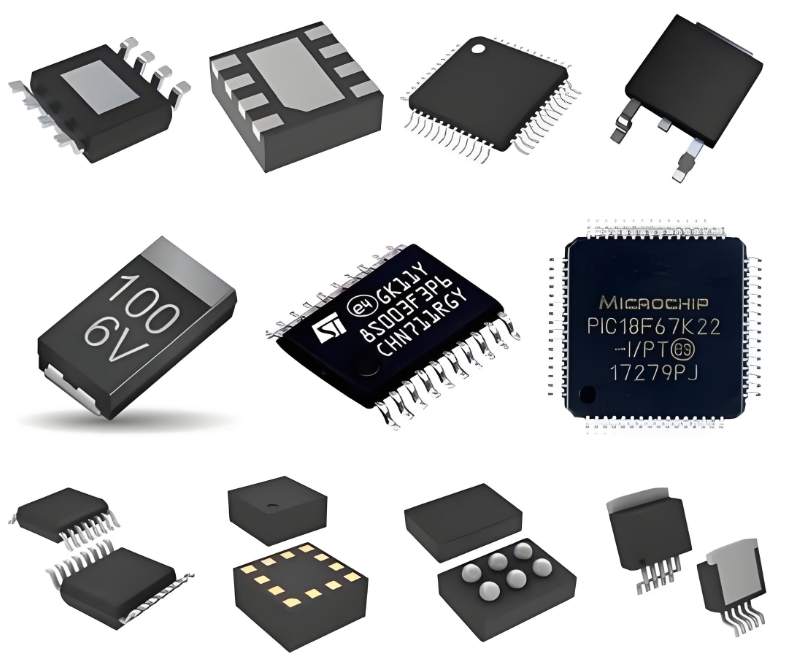
A key feature of the MC100LVEL16DT is its wide operating voltage range. With a VCC supply of 3.0 V to 3.8 V and a separate VEE output supply voltage (GND), the device is optimized for 3.3 V environments, ensuring compatibility with modern low-voltage system power rails. The differential inputs offer excellent noise immunity, a hallmark of ECL technology, making the translator highly resistant to common-mode noise when compared to single-ended interfaces. Furthermore, it boasts exceptional performance with propagation delays of less than 2.5 ns, which is crucial for maintaining signal integrity and timing margins in multi-gigabit systems.
The internal architecture consists of a differential input buffer followed by a level-shifting and amplifying stage. The differential amplifier senses the voltage difference between the D and /D inputs, and the subsequent stages shift the negative ECL voltage swing to the positive voltage swing required by the LVTTL output stage. The LVTTL output is capable of sinking and sourcing significant current, allowing it to drive heavily loaded buses.
Designers must pay close attention to proper termination for unused inputs and adhere to recommended board layout practices for high-speed signals to minimize reflections and ensure signal fidelity. The use of a common-mode bias voltage (VBB) output is provided to AC-couple inputs or to bias unused differential channels, simplifying system design.
ICGOOODFIND: The MC100LVEL16DT is an indispensable component for system architects, providing a robust, high-speed, and reliable interface solution that effectively translates between the differential PECL and single-ended LVTTL logic domains, ensuring seamless communication in complex digital systems.
Keywords: PECL, LVTTL, Differential Translator, Signal Integrity, High-Speed Interface.

